
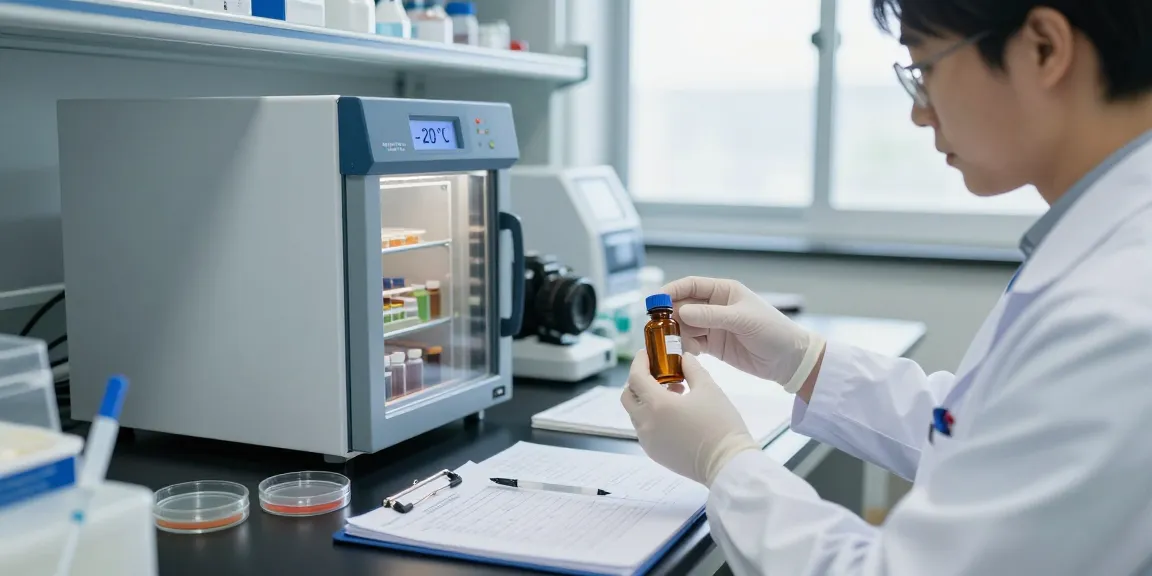
Understanding Lyophilisation Peptides
Lyophilisation peptides, often known as freeze-dried peptides, are an essential component in biochemical research, particularly for their stability and longevity. These specialized compounds, preserved in a dry form, maintain their integrity far better than their reconstituted counterparts when subjected to proper storage conditions. Understanding the nuances of lyophilisation peptides and their specific handling and storage requirements is critical for researchers aiming to ensure the reliability and efficacy of their experimental outcomes.
What are Lyophilisation Peptides?
Lyophilisation involves a process where water is removed from the peptides through sublimation, resulting in a dry powder. This process is crucial for extending the shelf life of peptides as it minimizes the risk of degradation caused by environmental factors. In this state, peptides are significantly more stable and can be stored at lower temperatures. The dry nature of lyophilisation means that these peptides can be transported and stored without the need for refrigeration, enhancing their practicality for laboratory use.
Importance of Proper Storage
The proper storage of lyophilisation peptides is paramount to maintaining their quality and functionality. Exposure to factors such as heat, moisture, light, and fluctuating temperatures can lead to degradation, affecting the peptide’s purity and efficacy in research applications. For detailed protocols on how to store lyophilisation peptides effectively, researchers can refer to the specialized guidelines available on various scientific sites, including lyophilisation peptides.
Common Applications in Research
Lyophilisation peptides are utilized across a range of scientific domains, including drug development, protein synthesis, and therapeutic applications. Their stability makes them ideal for long-term studies and transport, especially in clinical research settings. The ability to reconstitute peptides as needed allows researchers to maintain the integrity of their samples until the point of use.
Temperature Protocols for Lyophilisation Peptides
When it comes to storing lyophilisation peptides, adherence to specific temperature protocols is crucial for ensuring their stability and performance. The correct temperature storage conditions can greatly influence peptide longevity and should be carefully monitored throughout the storage period.
Recommended Storage Temperatures
The standard recommended storage temperature for lyophilisation peptides is typically -20 °C. At this temperature, peptides can remain stable for several years, reducing the likelihood of degradation reactions. However, some peptide sequences are more sensitive and may require storage at -80 °C for optimal long-term preservation, especially for unique or high-value peptides. These ultra-low temperatures provide an added layer of protection against degradation.
How to Achieve Optimal Cold Storage
To maintain the integrity of lyophilisation peptides during cold storage, it’s essential to use high-quality freezers that can maintain consistent temperature levels without fluctuation. Vials should be stored in designated containers that minimize exposure to moisture and light. Additionally, researchers should regularly check temperature logs to ensure the storage conditions remain within the recommended limits.
Effects of Temperature on Peptide Stability
Temperature fluctuations can adversely affect lyophilisation peptides, leading to potential degradation. High temperatures can accelerate degradation processes such as hydrolysis and oxidation. Thus, establishing and adhering to stringent temperature protocols is not only recommended but necessary for maintaining peptide quality throughout their lifecycle.
Moisture and Light Protection
Moisture exposure is one of the most significant threats to lyophilisation peptides. It is critical to implement protective measures to prevent the peptides from absorbing moisture, which can lead to hydrolysis and a decrease in stability.
Understanding the Risks of Moisture Exposure
Even though lyophilisation minimizes moisture content, peptides can absorb water vapor from the surrounding environment once they are exposed. This can lead to rapid degradation, particularly in peptides sensitive to hydrolysis. Therefore, it is vital to keep vials sealed and store them in low-humidity environments.
Best Practices for Sealing and Storing Vials
- Keep vials sealed until ready for use to protect against moisture.
- Use desiccants in storage containers to absorb excess humidity.
- Allow vials to reach room temperature before opening to avoid condensation formation.
Light Sensitivity of Different Peptide Types
Some peptides are sensitive to light, which can lead to degradation through photochemical reactions. Storage in dark containers or amber vials is recommended to mitigate light exposure. Avoid placing peptide vials under direct laboratory lighting or in areas exposed to sunlight.
Handling and Reconstitution Guidelines
Reconstituting lyophilisation peptides requires careful handling to preserve their integrity and functionality. Following proper guidelines helps to minimize degradation during this critical phase.
Steps for Reconstituting Peptides Safely
- Ensure that work surfaces and tools are clean to avoid contamination.
- Choose an appropriate solvent, such as bacteriostatic water, for reconstitution.
- Allow vials to reach room temperature before opening to prevent moisture ingress.
- Immediately reseal vials after use to reduce exposure to air and moisture.
Storing Reconstituted Peptides
Once reconstituted, peptides should be stored at +2 to +8 °C in a refrigerator. It’s important to note that the stability of reconstituted peptides is significantly lower than that of lyophilisation peptides, generally lasting between 14 to 28 days, depending on the peptide type, solvent, and concentration used.
Avoiding Freeze-Thaw Cycles
Freeze-thaw cycles can severely affect peptide integrity due to structural stress and increased degradation rates. To avoid repeated freeze-thaw cycles, it is recommended to aliquot reconstituted peptides into single-use volumes. These aliquots may then be frozen for extended use without compromising their quality.
Future Trends in Peptide Storage
The landscape of peptide storage is evolving, with emerging technologies poised to enhance the stability and usability of lyophilisation peptides in research.
Emerging Technologies for Storage Solutions
Innovative storage solutions, including advanced cryopreservation techniques and smart storage containers equipped with real-time monitoring systems, are being developed. These technologies aim to provide a more controlled environment for peptide storage, minimizing human error and ensuring optimal conditions.
Predicted Developments for 2026 and Beyond
As research progresses, the focus on sustainability may lead to the development of more environmentally friendly storage methods and materials. Additionally, the integration of artificial intelligence in monitoring storage conditions could provide predictive analytics, enhancing peptide stability and shelf life.
Case Studies on Successful Peptide Research
Several recent studies have documented successful outcomes through the rigorous application of proper storage protocols for lyophilisation peptides. These case studies highlight the importance of adhering to recommended practices and the impact of consistent temperature and protection strategies on research results.
What is the best temperature for storing lyophilisation peptides?
The optimal temperature for long-term storage of lyophilisation peptides is generally -20 °C. For sensitive or high-value peptides, -80 °C is recommended for enhanced protection.
How long can lyophilisation peptides last at -20 °C?
When stored properly at -20 °C, lyophilisation peptides may remain stable for several years, although individual peptide stability can vary based on specific characteristics.
What effects do freeze-thaw cycles have on peptides?
Freeze-thaw cycles can lead to structural integrity loss and increased degradation rates, negatively affecting peptide efficacy in research applications.
Why should I use bacteriostatic water for reconstitution?
Bacteriostatic water contains preservatives that limit microbial growth after a vial has been opened, making it safer for storing reconstituted peptides.
What are the risks of moisture for lyophilisation peptides?
Moisture can lead to hydrolysis, which significantly reduces peptide stability and can compromise the quality of experiments relying on these compounds.