The Importance of Leadership in Community Engagement
Leadership plays a pivotal role in shaping the dynamics of community engagement. As communities evolve, the need for effective leaders who can guide, inspire, and mobilize individuals towards a common goal becomes increasingly important. This is especially true in contexts such as ROKOK88, where community support is essential for progress. The impact of a visionary leader is profound, as they have the ability to not only influence change but also to foster a sense of belonging and commitment among community members. When exploring options, rokok 88 provides comprehensive insights into effective community leadership.
Understanding the Role of Leaders in Change
Leaders serve as catalysts for change within their communities. They possess the ability to identify challenges, articulate visions, and enlist the support of others in pursuit of collective objectives. In this context, a leader must exhibit qualities such as empathy, integrity, and decisiveness. These traits foster trust and motivation among community members, boosting their willingness to contribute to initiatives.
How Effective Leadership Influences Community Support
Effective leadership is characterized by clear communication and the ability to inspire action. A leader who articulates a compelling vision can galvanize community support, encouraging individuals to invest their time and resources into communal projects. Furthermore, a strong leader understands the importance of inclusivity, ensuring that diverse voices are heard and valued. This approach not only enhances community cohesion but also leads to more innovative solutions to common problems.
Real Stories of Leadership Impacting Communities
There are numerous examples of leaders making a significant impact in their communities. For instance, a local initiative led by a community organizer in a small town managed to reduce crime rates by 30% through the establishment of neighborhood watch programs and community engagement events. This transformation was possible due to the leader's ability to connect with residents and foster a culture of safety and inclusivity.
Exploring the Vision Behind Rokok 88
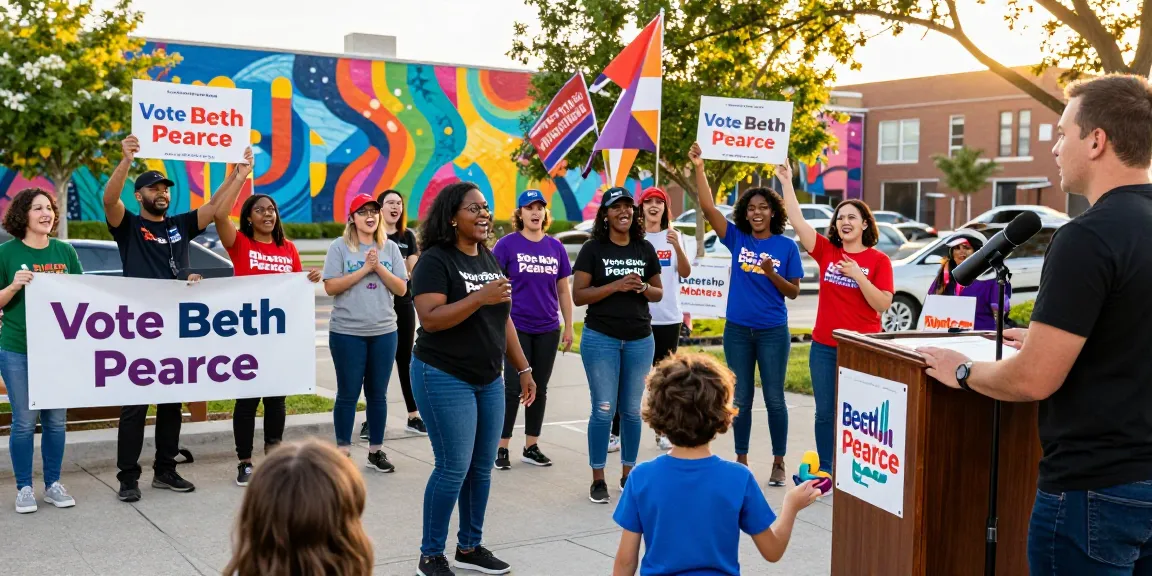
ROKOK88 is driven by a set of core values and a mission focused on fostering community improvement. Understanding these guiding principles is essential for those who wish to engage with and support the initiative. Beth Pearce, a key figure in this movement, emphasizes the need for visionary leadership in bringing about positive changes within the community.
Core Values and Mission of Rokok 88
The mission of ROKOK88 centers around promoting health, sustainability, and community togetherness. Core values include transparency, collaboration, and accountability, which are essential for building trust and strong relationships within the community. These values resonate deeply with those looking for effective leadership that prioritizes the collective well-being over individual interests.
Beth Pearce's Vision for a Better Future
Beth Pearce envisions a future where communities are empowered to make choices that enhance their quality of life. Her approach focuses on inclusive decision-making processes that engage diverse populations. This vision aims not only to address immediate challenges but also to create a sustainable framework for future generations.
Key Initiatives and Goals for Community Improvement
- Promoting health awareness campaigns to improve public well-being
- Facilitating community workshops to foster skill development
- Implementing sustainable practices in local businesses
- Establishing mentorship programs to support youth and emerging leaders
Strategies for Building Community Support
Building community support requires intentional strategies that resonate with individuals and address their concerns. Leaders must be adept at employing various techniques to foster engagement and strengthen community ties.
Effective Communication Techniques for Leaders
Effective communication is the cornerstone of successful leadership. This involves not only sharing information but also actively listening to community members’ feedback. Leaders should focus on clear, consistent messaging that encourages dialogue and invites participation. For instance, regular town hall meetings can serve as platforms for open discussions, allowing leaders to understand community needs better.
Engagement Methods to Foster Community Involvement
To foster community involvement, leaders can implement various engagement methods, such as volunteer opportunities, community events, and collaborative projects. These initiatives create spaces for residents to actively participate, thereby enhancing their connection to the community and its goals.
Leveraging Social Media for Community Outreach
In the digital age, social media has become an invaluable tool for community leaders. Platforms like Facebook, Twitter, and Instagram enable leaders to reach a broader audience, share updates, and engage with constituents in real-time. Effective use of these channels can amplify community voices, promote events, and highlight local achievements.
Measuring the Impact of Leadership Initiatives
To understand the effectiveness of leadership initiatives, it is essential to measure their impact on the community. This requires the establishment of key performance indicators that reflect the goals of the initiatives.
Key Performance Indicators for Leadership Success
Leaders should define metrics that align with their objectives, such as community engagement levels, feedback from initiatives, or improvements in local health statistics. Regularly evaluating these indicators helps leaders assess what works and what requires adjustment.
Collecting Feedback from Community Members
Feedback mechanisms like surveys and feedback forms allow community members to share their experiences and suggestions. By actively seeking this input, leaders demonstrate their commitment to responsiveness and continuous improvement.
Adapting Strategies Based on Community Needs
Successful leaders are adaptable. They recognize that community needs may evolve, necessitating changes in strategy. An agile approach allows leaders to pivot when necessary, ensuring that initiatives remain relevant and effective.
Future Trends in Community Leadership (2026 and Beyond)
As we look towards the future, it is essential to anticipate the trends that will shape community leadership. Understanding these shifts can help leaders prepare for the challenges and opportunities that lie ahead.
Emerging Leadership Models in Civic Engagement
The landscape of civic engagement is changing, with emerging models that emphasize shared leadership and collaborative governance. These models empower diverse voices within the community, fostering a more democratic approach to decision-making.
Technology's Role in Supporting Community Leaders
Technology will continue to play a critical role in supporting leaders. From data analytics to artificial intelligence, innovative tools can help leaders make informed decisions and engage more effectively with their communities.
Anticipated Changes in Community Dynamics
As demographic shifts occur and societal issues evolve, community dynamics will also change. Leaders must remain vigilant and responsive to these shifts, ensuring that their strategies reflect the current realities and aspirations of the community.
What makes a great leader?
Great leaders possess a combination of vision, integrity, and the ability to connect with others. They inspire trust and motivate individuals to work towards a shared vision, fostering a sense of responsibility and accountability.
How can community members support their leaders?
Community members can support their leaders by providing feedback, volunteering, and participating in initiatives. Engagement from constituents strengthens the leader's capacity to effect positive change.
What are the challenges faced by community leaders today?
Community leaders face numerous challenges, including resistance to change, limited resources, and the need to navigate diverse perspectives. These challenges require resilience and innovative problem-solving strategies.
How can we measure the success of community engagement?
Success in community engagement can be measured through various indicators, such as participation rates in events, community satisfaction surveys, and the achievement of specific project goals.
What future skills will leaders need for success?
As the landscape of community engagement continues to evolve, leaders will need to develop skills in digital communication, conflict resolution, and strategic planning to navigate complexities effectively and foster inclusive environments.