
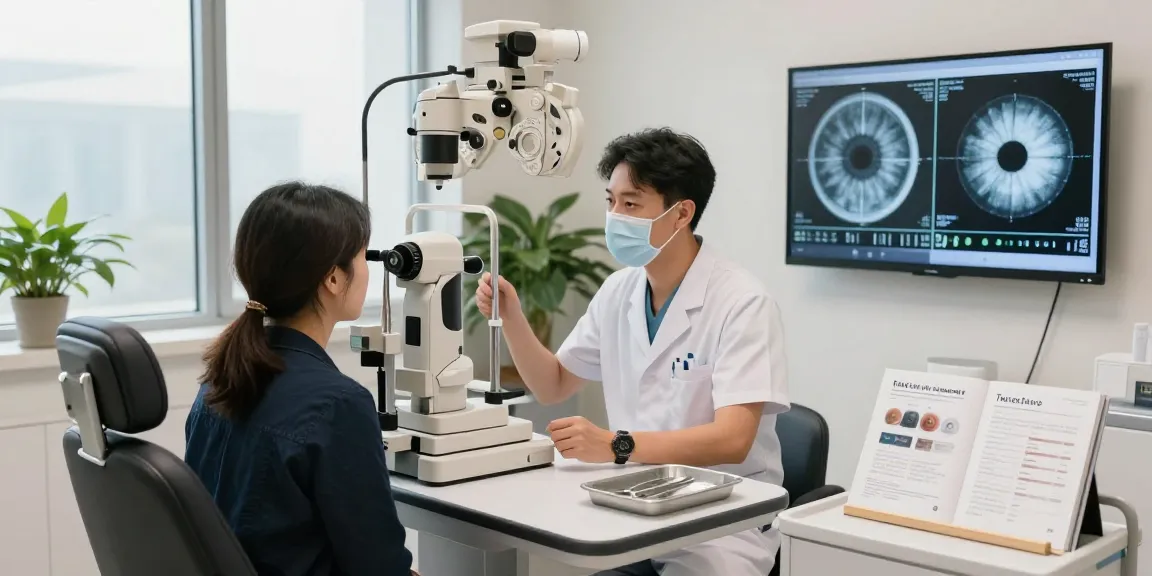
Understanding ICL ML Technology
In the evolving landscape of eye care, the integration of advanced technologies has revolutionized the way vision correction is approached. One such breakthrough is the ICL ML (Implantable Collamer Lens with Machine Learning) technology, which stands at the forefront of personalized vision correction. At SNU Eye Clinic, we are proud to incorporate this innovative treatment into our suite of services. Through a combination of sophisticated diagnostic techniques and tailored surgical approaches, we address the unique vision needs of our patients. For those exploring options, icl ml provides comprehensive insights into achieving optimal vision outcomes.
What is ICL ML?
ICL ML refers to a cutting-edge vision correction procedure that combines the benefits of the traditional Implantable Collamer Lens (ICL) with the precision of machine learning algorithms. This advanced technology facilitates the creation of highly personalized lenses that are tailored to the anatomical and optical needs of individual patients. Unlike conventional contact lenses or glasses, ICL ML is surgically implanted in the eye, providing a permanent solution for refractive errors such as myopia (nearsightedness) and hyperopia (farsightedness).
How ICL ML Differs from Traditional Methods
Traditionally, vision correction options have included glasses, contact lenses, and LASIK surgery. While these methods are effective for many, they do not suit everyone’s vision correction needs. ICL ML stands out due to its unique attributes:
- Minimally Invasive: ICL procedures require no corneal reshaping, making them a safer option for those with thin corneas or other contraindications for LASIK.
- Customized Fit: The incorporation of machine learning allows for a more precise lens design that aligns with the patient’s specific eye measurements and lifestyle needs.
- Reversible: Unlike LASIK, the ICL can be removed or replaced if a patient’s prescription changes over time.
Benefits of Choosing ICL ML for Vision Correction
The advantages of ICL ML extend beyond traditional corrective options. By choosing this innovative procedure, patients can expect:
- Superior visual quality, particularly in low-light conditions.
- Minimal recovery time, allowing patients to return to daily activities quickly.
- Less likelihood of dry eye syndrome compared to laser-based corrections.
- Aesthetic freedom from contact lenses and glasses.
Key Treatments at SNU Eye Clinic
At SNU Eye Clinic, our commitment to providing exceptional eye care is reflected in our comprehensive range of treatments. We offer advanced solutions that meet the needs of a diverse patient population, addressing varying degrees of refractive errors, presbyopia, and other vision-related issues.
Overview of Advanced Eye Care Services
Our clinic specializes in a wide array of eye care services, which includes a detailed assessment process involving 52 comprehensive tests across seven categories. This thorough evaluation ensures that each patient receives a treatment plan tailored specifically to their vision and lifestyle.
In-depth Look at ICL and Toric ICL Procedures
ICL procedures, including Toric ICL for astigmatism correction, are performed by our skilled ophthalmologists. Each protocol utilizes the latest technology to ensure precision and safety. The ICL is designed to remain in the eye, providing a long-term solution that allows for excellent visual acuity and comfort.
Success Rates and Patient Outcomes
With over 50,000 surgeries performed, our success rates in vision correction are exemplary. Patient outcomes consistently demonstrate high satisfaction levels, with the vast majority reporting substantial improvements in visual clarity. We use feedback and data to continually refine our techniques and ensure the best possible results.
Personalized Vision Correction Approach
Each individual has unique vision needs, and at SNU Eye Clinic, we believe in a personalized approach to eye care. Our 1:1 vision correction philosophy ensures that every treatment plan is tailored to the individual based on their specific requirements.
The Importance of 1:1 Vision Correction
This personalized method takes into account various factors, such as lifestyle, occupational demands, and personal preferences, to create a comprehensive vision correction plan that truly impacts patients’ quality of life.
How Patient Needs Shape Treatment Plans
During consultations, we engage patients in detailed discussions about their vision goals. By understanding their needs, we can select the most appropriate treatment options, whether it involves ICL ML, traditional ICL, or other surgical techniques.
Case Studies: Real Success Stories
Our portfolio of success stories highlights the transformative impact of ICL ML. Patients, ranging from avid sports enthusiasts to those working in visually demanding professions, have shared remarkable testimonials about their improved vision and lifestyle post-surgery.
Comprehensive Tests and Assessments
Before any surgical intervention, an in-depth assessment is critical. Our clinic employs a comprehensive testing protocol that helps formulate the most effective treatment plan for each patient.
A Breakdown of the 52 Detailed Tests
The tests conducted at SNU Eye Clinic encompass a variety of measurements, including corneal thickness, eye pressure, and refractive analysis. This multi-faceted approach ensures that all aspects of eye health are considered, leading to optimized surgical outcomes.
How Testing Influences Treatment Options
Each assessment plays a crucial role in determining suitable treatment types. By integrating the results of these tests, our specialists can recommend tailored interventions that offer the best chances for success.
Understanding the Role of Technology in Diagnosis
Technological advancements, such as AI and machine learning, are now integral in diagnosing eye conditions. This technology not only enhances accuracy but also allows for quicker decision-making in defining treatment plans.
Future Trends in Eye Care and Surgery
As eye care technology continues to evolve, staying informed about emerging trends is vital for both practitioners and patients. At SNU Eye Clinic, we are committed to leading the charge in adopting next-generation technologies that will shape the future of vision correction.
Emerging Developments in ICL ML Technology
Research and development around ICL ML are ongoing, with new innovations aimed at improving lens design and enhancing patient outcomes. Future iterations may offer even more customization based on genetic factors and lifestyle.
Predictions for Eye Healthcare in 2026 and Beyond
By 2026, we anticipate significant advancements not only in surgical techniques but also in post-operative care. Enhanced patient-monitoring systems and telemedicine practices are expected to play a larger role in follow-up care, improving patient engagement and satisfaction.
Preparing for Future Innovations in Eye Surgery
The key to navigating these advancements involves patient education and openness to innovative treatment approaches. Future patients should consider regular consultations to stay informed about options that may benefit their vision correction needs.
What are the benefits of ICL over LASIK?
ICL offers several advantages over LASIK, particularly for patients with thin corneas or high refractive errors. Unlike LASIK, which reshapes the cornea, ICL preserves corneal integrity, making it a safer option for many.
How to prepare for an ICL procedure?
Preparation for an ICL procedure includes undergoing comprehensive eye examinations, discussing potential risks and benefits with your eye care professional, and following pre-operative instructions such as avoiding certain medications.
What should patients expect during recovery?
Recovery from ICL surgery is typically swift, with most patients resuming normal activities within a few days. Discomfort may be minimal, and patients are advised to follow post-operative care guidelines for optimal healing.
Are there any risks or side effects of ICL?
As with any surgical procedure, risks exist, including infection and cataract formation. However, thorough pre-operative assessments help mitigate these risks significantly.
How often should I get my eyes checked post-surgery?
Regular eye examinations are crucial following ICL surgery. Typically, patients should schedule follow-up visits within the first year post-operation and then annually thereafter to ensure continued eye health and optimal vision.